Wake Turbulence
May 19, 2026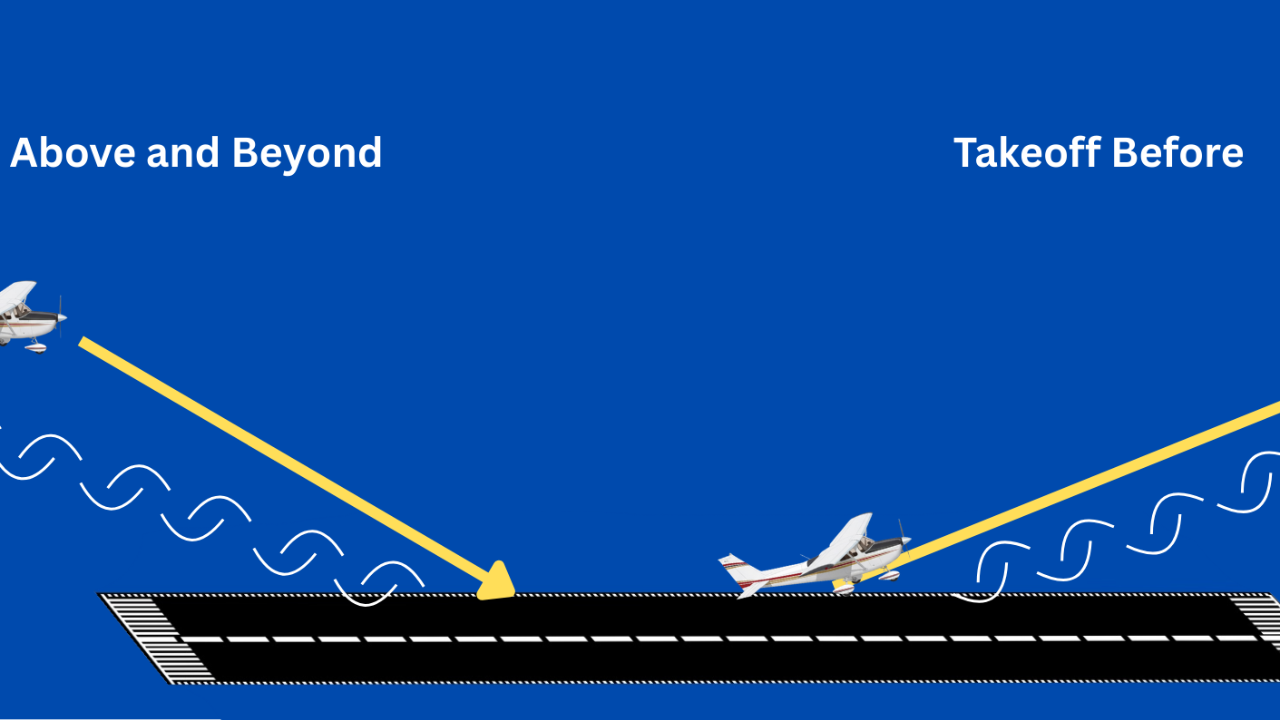
Most student pilots study wake turbulence, pass the knowledge test, and then stop thinking about it. That is a mistake. This is one of those topics where the gap between knowing the answer and actually understanding the hazard can get you into serious trouble.
Wake turbulence does not announce itself. There is no visual cue, no warning on the radio, nothing on your instruments telling you it is there. You can be on a perfectly stable approach and fly straight into a vortex that has been sitting over the centerline for the last 90 seconds. That is what makes it dangerous at low altitude.
So let's talk about where it comes from.
Every aircraft producing lift generates two counter-rotating vortices trailing off the wingtips. The pressure difference between the bottom and top of the wing causes high-pressure air to roll up and around the wingtip toward the low-pressure side. Two spinning masses of air form, one behind each wing, and they trail the aircraft as it moves through the sky.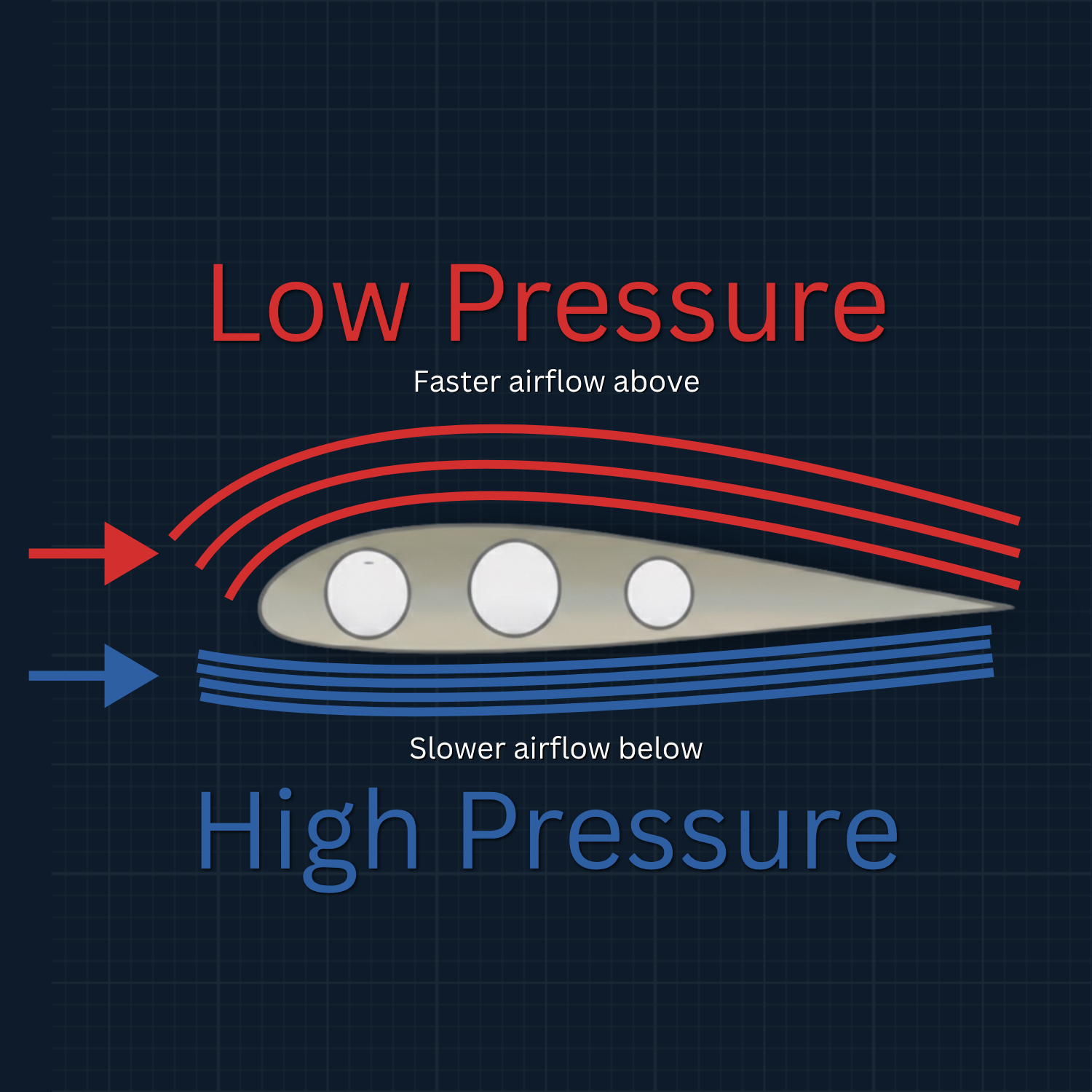
Those vortices sink. They descend below the generating aircraft at roughly 300 to 500 feet per minute and they do not just disappear. In calm wind conditions they can linger near the runway surface for well over a minute.
Now here is what most students miss on the checkride oral.
Vortex strength is not the same behind every aircraft. The wing is working hardest when the airplane is heavy, flying slow, and in a clean configuration with flaps up. Think about why. A heavy airplane needs more lift to stay airborne, so the pressure difference between the top and bottom of the wing is greater. Slow airspeed means the wing has to generate that lift over a longer period of time rather than moving quickly through the air. And a clean configuration with no flaps means the entire span of the wing is producing lift with nothing to disrupt or diffuse the vortex formation at the tips. All three of those factors together produce the most intense, tightly wound vortices possible. That means the worst wake turbulence you will ever encounter is behind a heavy transport category aircraft on takeoff or approach. Light general aviation aircraft can lose full roll control authority in those conditions. At pattern altitude, you may not have the altitude to recover.
Wind changes everything about where the vortices actually end up. A crosswind does not push both vortices in the same direction at the same speed. It can hold one vortex relatively stationary over the runway centerline while it pushes the other one away. So even if you know a heavy jet landed two minutes ago and you think you are clear, one vortex may still be sitting exactly where you are about to touch down.
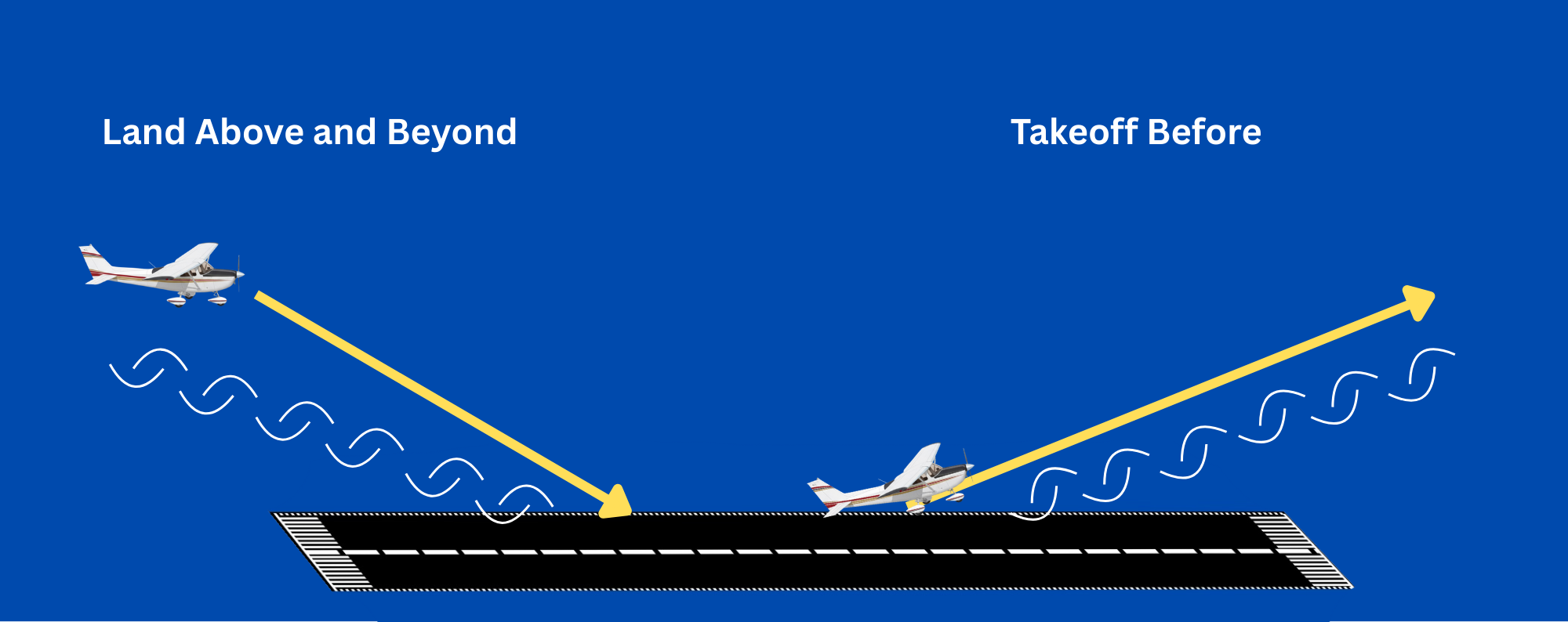
The correct technique is to stay above the approach path of the preceding aircraft and plan your touchdown beyond their touchdown point. On departure behind a heavy, rotate prior to their rotation point and climb above their flight path, turning out of it as soon as practical.
Your DPE is going to ask you how wind affects vortex behavior. Most students can recite that vortices sink and drift downwind but cannot explain what a crosswind actually does to them. That is what separates a passing answer from a sharp one.
Study this one carefully. It is a topic where knowing the mechanics matters as much as knowing the procedures.